NFPA Standards – Explosion & Fire Protection
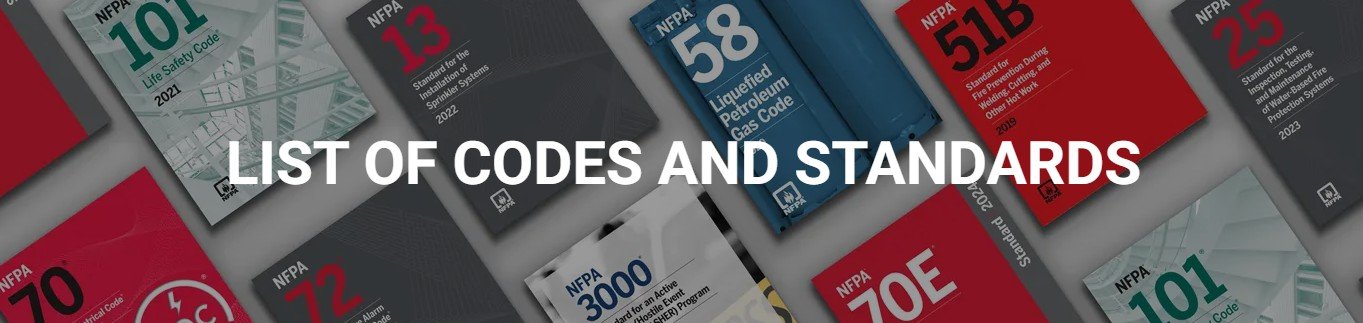
NFPA Standards – Explosion & Fire Protection for Industrial Facilities
The National Fire Protection Association (NFPA) publishes internationally recognised standards for managing fire and explosion risks in industrial environments.
For facilities handling combustible dust, flammable particles, or hazardous processes, NFPA standards provide detailed guidance on hazard assessment, system design, and explosion protection measures.
While NFPA standards are developed in the United States, they are widely adopted globally — including in Singapore — as a benchmark for engineering design and safety best practices.
Who NFPA Standards Applies To
NFPA standards are relevant to facilities that:
Handle combustible dust or fine particulate materials
Operate industrial processing or manufacturing systems
Use dust collection, extraction, or conveying systems
Require explosion protection or fire mitigation measures
This includes industries such as:
Manufacturing and metal processing
Pharmaceutical and chemical production
Food and agricultural processing
Semiconductor and precision engineering
These standards are especially important where dust explosion risks are present.
Key NFPA Standards for Industrial Applications
🔥NFPA 652 – Fundamentals of Combustible Dust
NFPA 652 provides the overarching framework for managing combustible dust hazards.
It requires facilities to:
Identify combustible dust hazards
Conduct a Dust Hazard Analysis (DHA)
Implement appropriate prevention and protection measures
NFPA 652 forms the foundation for all other combustible dust standards.
💥NFPA 68 – Explosion Venting
NFPA 68 covers the design of explosion venting systems.
These systems:
Relieve pressure during an explosion
Prevent catastrophic equipment failure
Direct flames and pressure safely away from personnel
Key considerations include:
Vent sizing and placement
Equipment design pressure
Safe discharge areas
Explosion venting is one of the most widely used protection methods in dust collection systems.
🛑 NFPA 69 – Explosion Prevention Systems
NFPA 69 focuses on systems that prevent explosions from occurring.
This includes:
Explosion suppression systems
Chemical isolation systems
Inerting systems
Spark detection and extinguishing
These systems are used where venting alone is not sufficient or feasible.
Key Requirements Under NFPA Standards
NFPA standards require a structured approach to managing explosion risks:
1. Dust Hazard Analysis (DHA)
Facilities must conduct a DHA to:
Identify potential explosion scenarios
Evaluate risks within equipment and processes
Define required safety measures
This is a critical starting point for compliance.
2. Explosion Protection Design
Systems must be designed to:
Withstand or relieve explosion pressure
Prevent flame propagation between equipment
Protect workers and surrounding areas
3. Equipment & System Integration
Explosion protection must be integrated into:
Dust collection systems
Ducting and conveying systems
Process equipment
Protection cannot be added as an afterthought — it must be part of the system design.
4. Maintenance and Inspection
Facilities must ensure:
Regular inspection of protection systems
Proper functioning of vents, sensors, and suppression systems
Ongoing system performance
What This Means in Practice
For industrial facilities, applying NFPA standards typically involves:
Installing explosion venting or flameless venting systems
Implementing explosion isolation between equipment
Using suppression systems where required
Designing dust collection systems to minimise risk
Conducting and updating Dust Hazard Analysis
These measures are essential to reduce the likelihood and impact of dust explosions.
How NFPA Works with SS667 and MOM
In Singapore, NFPA standards are commonly used alongside:
SS667 → Local code for combustible dust safety
MOM WSH requirements → Legal workplace safety obligations
NFPA provides the detailed engineering guidance, while SS667 and MOM define the regulatory framework.
Common Gaps in Industrial Facilities
Many facilities face risks due to:
Lack of explosion protection systems
Undersized or incorrectly designed venting
No isolation between connected equipment
Absence of Dust Hazard Analysis
Poor maintenance of protection systems
These gaps significantly increase the risk of serious incidents.
How We Help
We support facilities in implementing NFPA-compliant systems, including:
Explosion venting systems
Flameless explosion venting solutions
Explosion isolation systems
Dust collection system design and integration
System upgrades and retrofits
Our solutions are designed to align with both NFPA standards and local regulatory requirements.
Need Help Assessing Your Explosion Risk?
If your facility handles combustible dust or operates high-risk processes, we can assess your system and recommend appropriate protection measures.