Industrial Air Filtration Resources & Compliance Guide (Singapore)
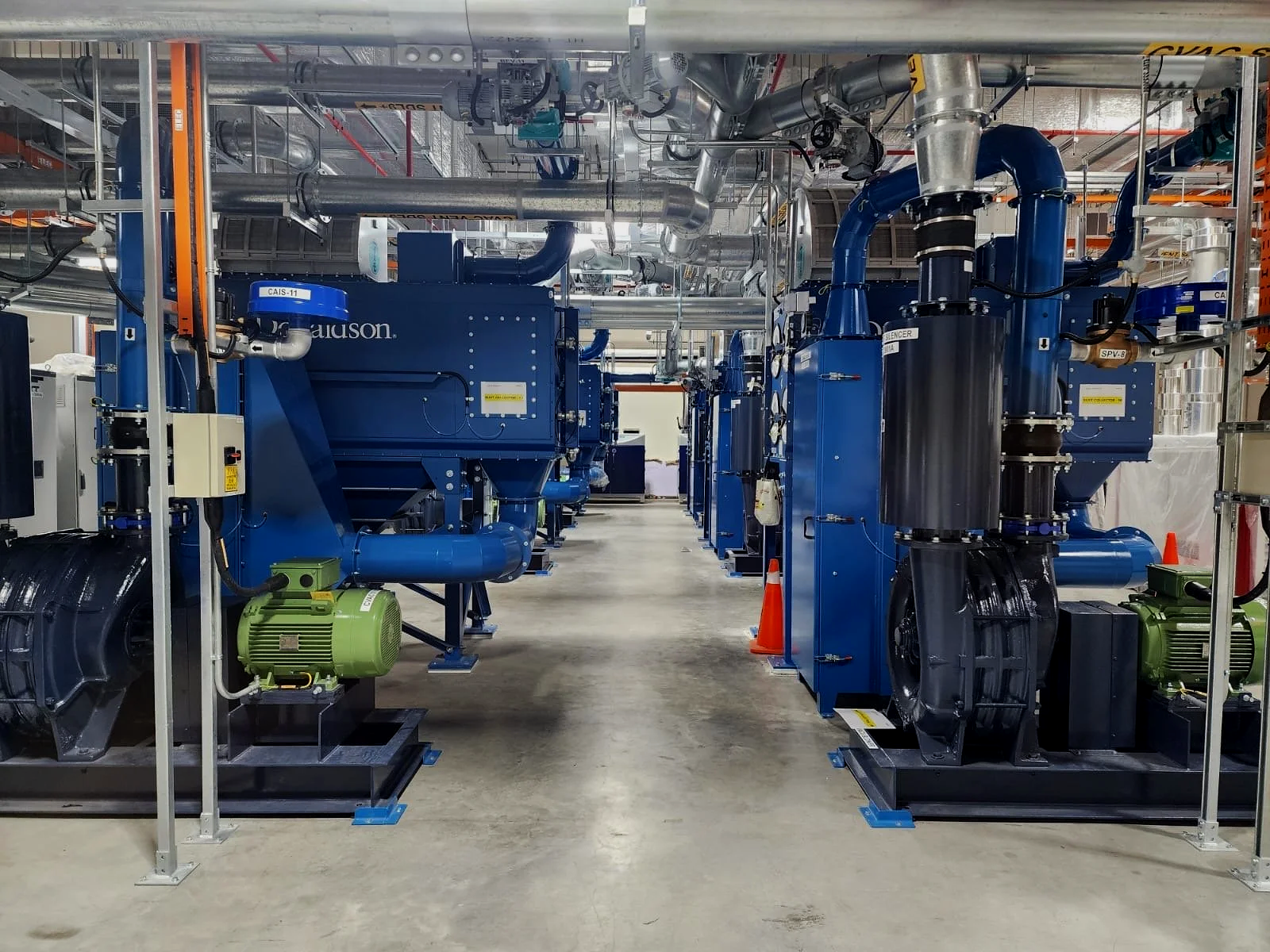
Designing and maintaining compliant air filtration systems is critical for safety, operations, and regulatory approval. This resource hub brings together key standards, real project examples, and practical insights based on our experience delivering industrial systems across Singapore and the region.
Quick Navigation
Case Studies / Articles
Stay informed with industry insights, regulatory updates, and practical guidance on dust, fumes, oil mist, and explosion risk management.
Regulations & Standards (SS667, MOM, NFPA)
Understand key requirements and how to meet them
Case Studies / Articles
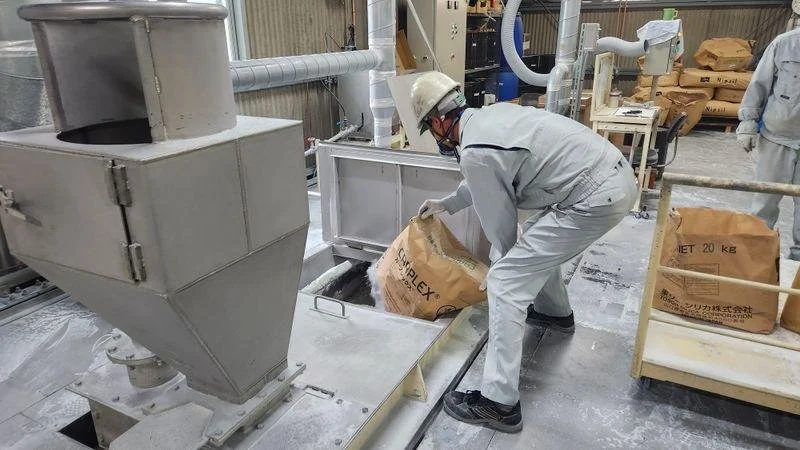
Understanding Combustible Dust Risks in Industrial Facilities
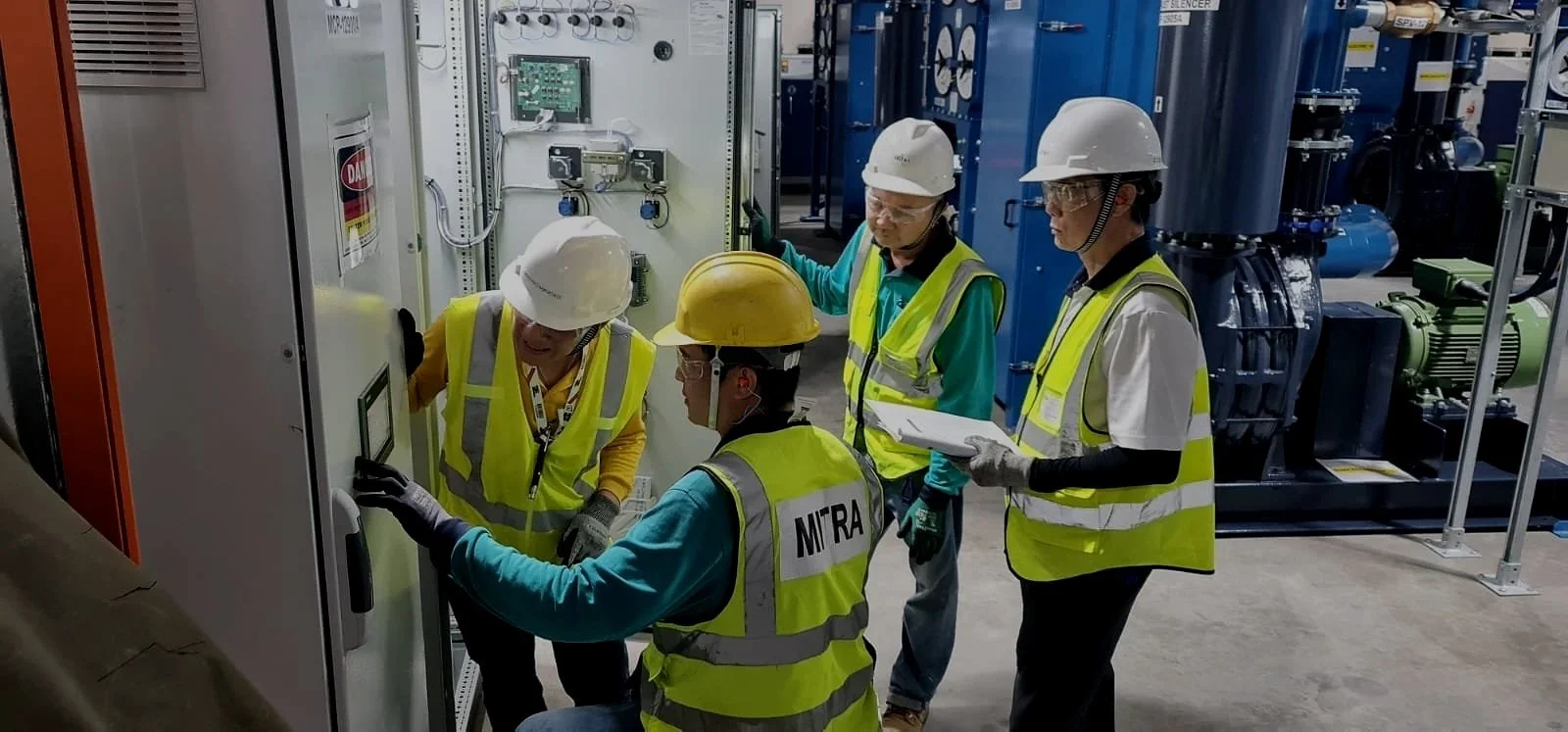
Combustible dust can be generated during a wide range of industrial processes, including powder handling, plastics processing, and metalworking. Understanding how dust accumulates and ignites is the first step towards creating a safer and more compliant workplace.
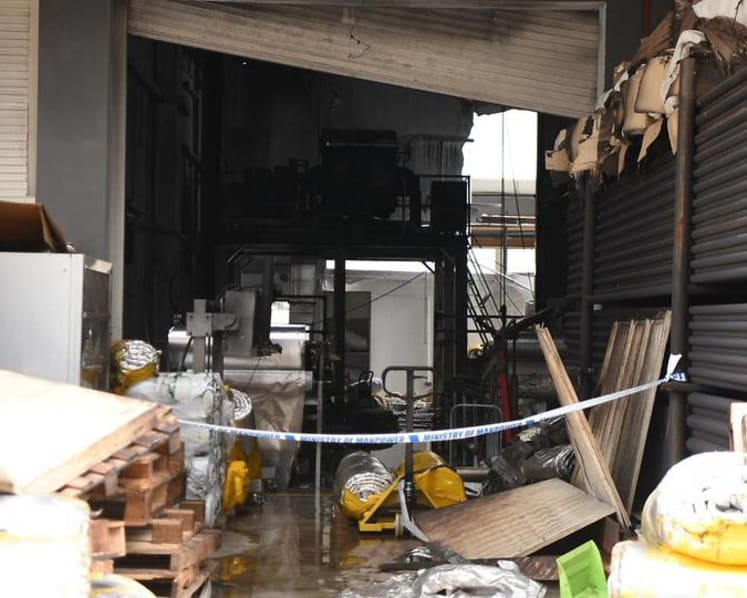
Stars Engrg Tuas Explosion
The 2021 Tuas industrial explosion highlighted the devastating consequences that combustible dust can pose when hazards are not properly identified and controlled. While often overlooked, dust generated during manufacturing processes can accumulate and create significant fire and explosion risks.
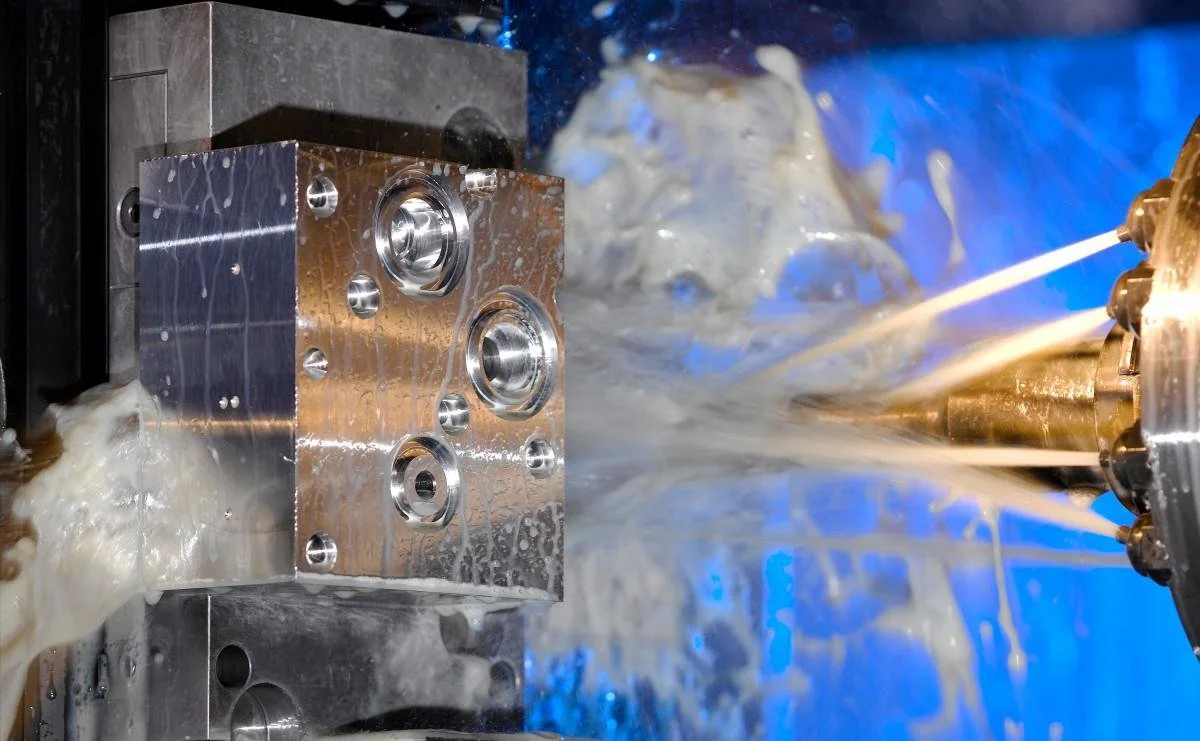
The Hidden Impact of Oil Mist in CNC Machining Environments
Oil mist is a common by-product of high-speed machining operations and is often overlooked as a workplace contaminant. Over time, airborne oil mist can affect air quality, increase housekeeping requirements, and lead to residue buildup on machinery and surrounding work areas.
Regulations & Standards (SS667, MOM, NFPA)
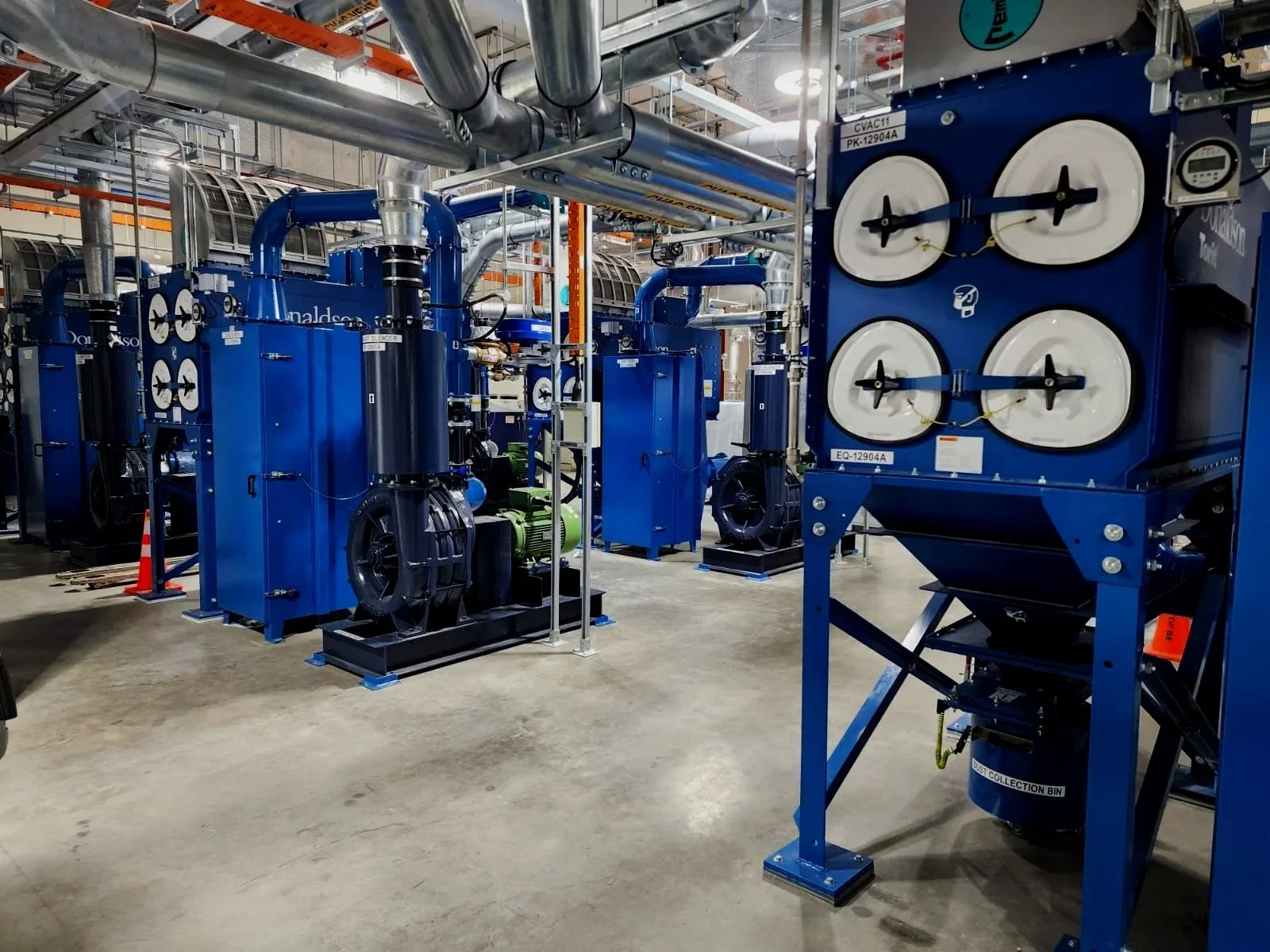
Industrial air filtration and extraction systems in Singapore are governed by a combination of local regulations and international standards. These requirements are designed to ensure workplace safety, reduce fire and explosion risks, and maintain operational reliability.
Understanding how these standards apply to your facility is critical — not just for compliance, but for protecting your people, equipment, and production processes.
SS667 – Combustible Dust Safety
In Singapore, SS667 provides local guidance on the safe handling, storage, and processing of combustible dust in industrial environments. It is relevant to facilities where fine particulate materials can pose a fire or explosion risk.
It applies to:
Dust-generating manufacturing processes
Powder handling and transfer systems
Filtration and dust collection systems
Areas where dust accumulation may occur
Key considerations:
Identification of combustible dust hazards
Prevention of dust accumulation in equipment and ducting
Proper design of dust collection systems
Implementation of explosion protection measures
In practice, facilities handling combustible dust must ensure systems are designed to minimise ignition risk and safely manage dust hazards.
MOM Workplace Safety & Health (WSH) Requirements
The Ministry of Manpower (MOM) enforces workplace safety regulations across all industrial sectors in Singapore.
For air quality and extraction systems, this includes:
Controlling exposure to hazardous dust, fumes, and mist
Ensuring safe working environments for employees
Maintaining systems to prevent equipment failure or incidents
Common compliance gaps:
Inadequate extraction at source
Poor system maintenance
Lack of proper filtration or airflow control
Non-compliance can lead to fines, operational disruption, or safety incidents.
NFPA Standards (Explosion & Fire Protection)
For facilities handling combustible dust or flammable particles, NFPA standards are critical.
Relevant standards include:
NFPA 68 – Explosion Venting
NFPA 69 – Explosion Prevention Systems
NFPA 652 – Fundamentals of Combustible Dust
These standards address:
Explosion risk assessment
Venting and suppression system design
Isolation of hazardous processes
Safe handling of combustible dust
In many industrial environments, explosion protection is not optional — it is a requirement.