Lessons from the Tuas Explosion: Understanding Combustible Dust Risks
Introduction
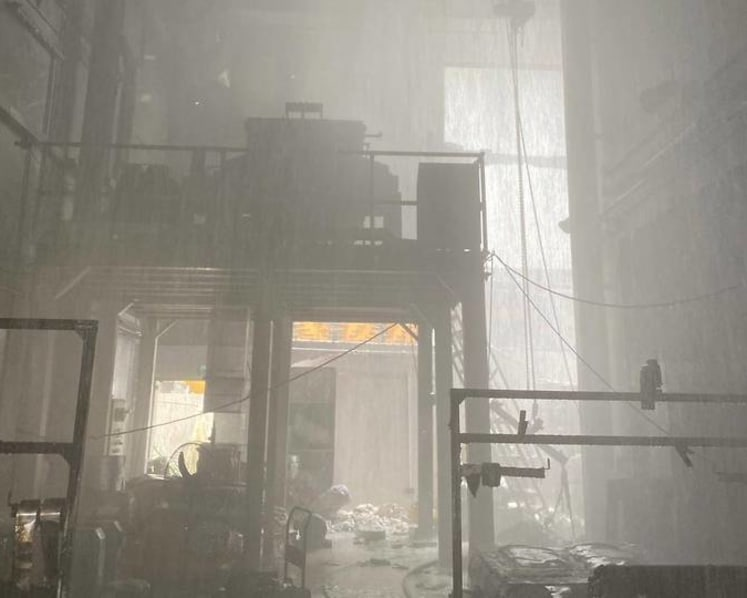
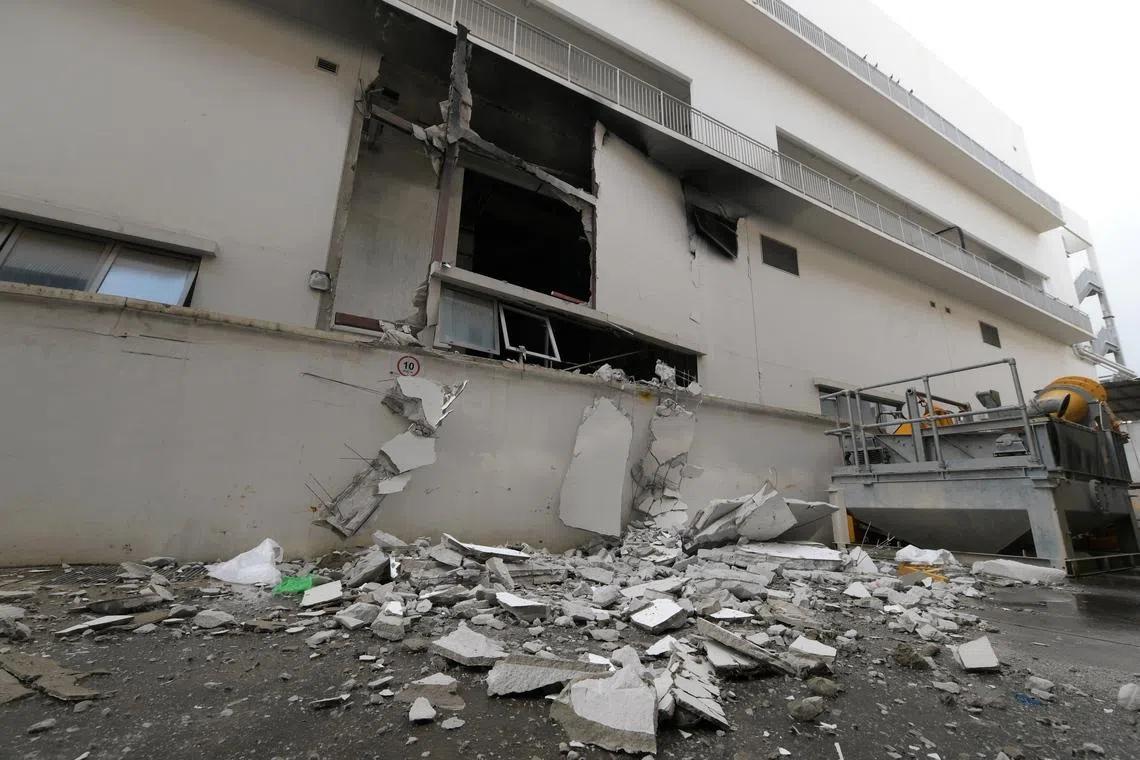
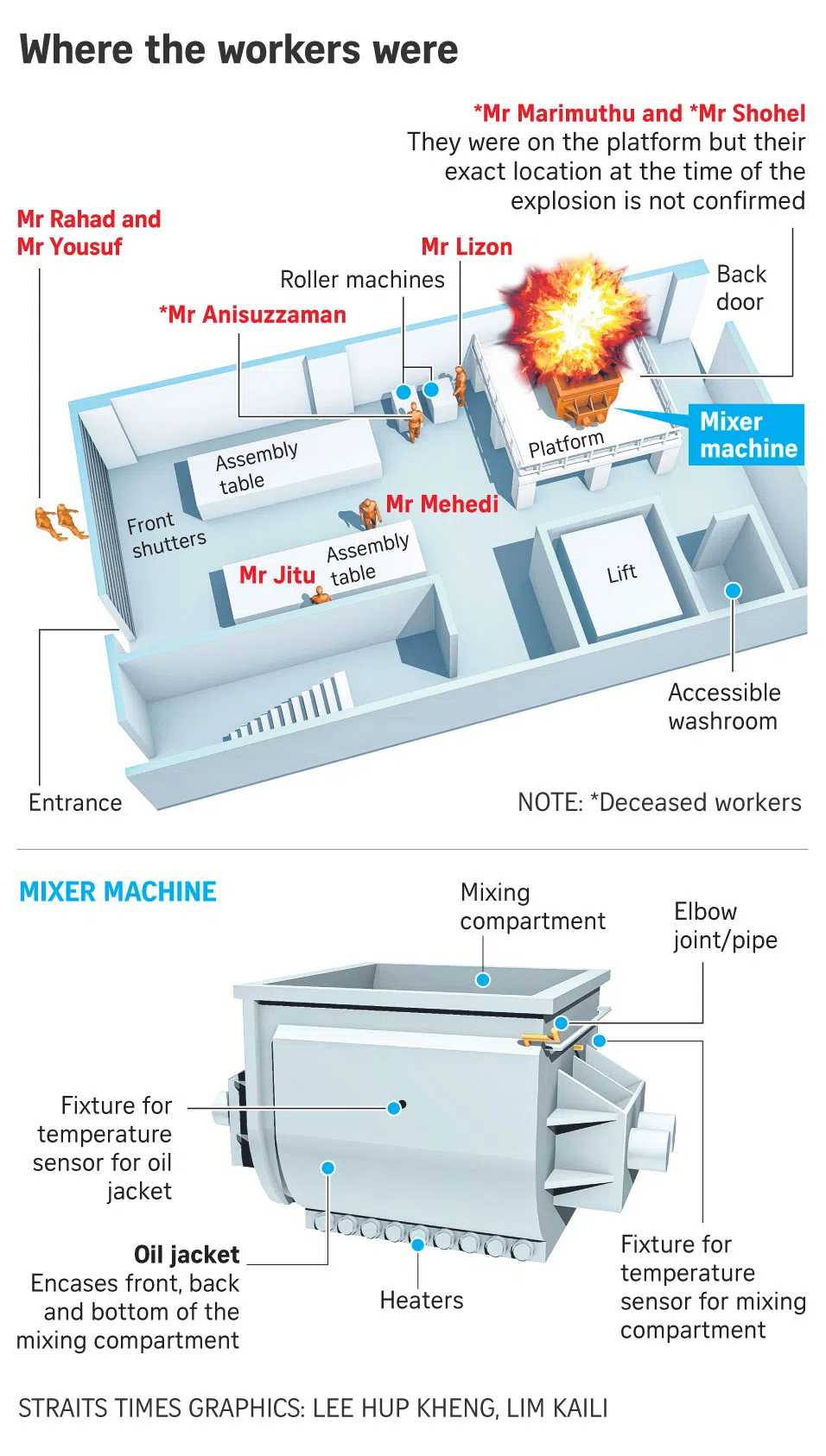
On 24 February 2021, a major explosion occurred at Stars Engrg Pte Ltd’s (“Stars Engrg”) facility in Tuas, Singapore. The incident resulted in multiple fatalities and injuries, making it one of the most serious workplace accidents in recent years.
Subsequent investigations revealed that while the initial explosion originated from process equipment, combustible starch dust present within the facility contributed to the severity of the incident through a series of flash fires. The event highlighted how combustible dust hazards can remain hidden during normal operations until a combination of circumstances allows them to ignite.
The incident prompted renewed attention towards combustible dust management across Singapore's manufacturing sector. Regulatory agencies, industry stakeholders, and workplace safety professionals began placing greater emphasis on dust hazard assessments, engineering controls, housekeeping practices, and explosion prevention measures.
While the Stars Engrg explosion involved starch powder, combustible dust hazards are not limited to food processing facilities. Similar risks may exist in industries handling pharmaceutical powders, thermoplastics, chemicals, metal dust, wood dust, and other fine particulate materials.
For many facilities, dust is viewed as a housekeeping issue. In reality, accumulated combustible dust can become a significant fire and explosion hazard if not properly identified and controlled.
Understanding how combustible dust behaves—and how engineering controls can reduce these risks—is essential for maintaining a safe and compliant industrial workplace.
What is Combustible Dust?
Combustible dust consists of fine particles that can ignite and burn rapidly when dispersed in the air under the right conditions.
Examples include:
Pharmaceutical powders
Plastic and polymer dust
Metal dust from grinding or polishing
Wood dust
Food powders and starches
When dust accumulates within equipment, ductwork, or production areas, it can create a hidden hazard. If disturbed and exposed to an ignition source, a flash fire or explosion may occur.
Why Dust Accumulation Matters
Many facilities focus on production efficiency and housekeeping but underestimate the potential dangers of accumulated dust.
Common areas where dust accumulates include:
Production machinery
Dust collection systems
Ducting and conveying systems
Elevated surfaces and structures
Material handling equipment
Without proper control measures, dust can remain undetected until an incident occurs.
The Importance of Engineering Controls
Effective combustible dust management requires more than routine cleaning.
Key engineering controls include:
Dust collection systems
Centralised vacuum systems
Source-capture extraction systems
Explosion protection systems
Regular inspection and maintenance programmes
These systems help minimise dust accumulation and reduce the likelihood of hazardous conditions developing.
How Mitra Engineering Helps
At Mitra Engineering Services, we support facilities in managing dust-related hazards through engineered dust collection and extraction solutions.
Our capabilities include:
By capturing dust at source and controlling accumulation throughout the facility, these systems help improve workplace safety, operational reliability, and compliance with relevant standards such as SS667 and NFPA guidelines.